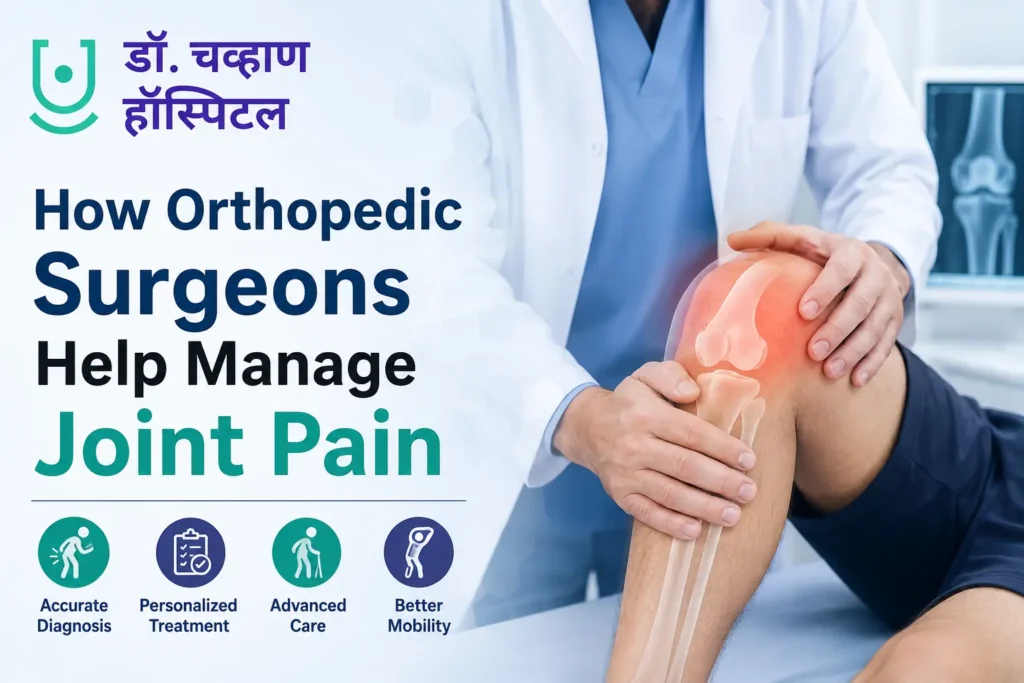
How Orthopedic Surgeons Help Manage Joint Pain
Orthopedic Surgeons How Orthopedic Surgeons Help Manage Joint Pain Joint pain is one of the most common health concerns affecting people of all ages. Whether caused by aging, injury, arthritis, or repetitive strain, joint pain can significantly impact daily activities and overall quality of life. Seeking timely medical attention is essential to prevent further complications and restore mobility. Consulting the Best Orthopedic Surgeon in Panchavati Nashik can help patients receive an accurate diagnosis and effective treatment plan tailored to their condition. Orthopedic surgeons specialize in diagnosing, treating, and managing disorders of the bones, joints, muscles, ligaments, and tendons, making them the ideal experts for joint pain management. Understanding Joint Pain Joint pain refers to discomfort, soreness, or inflammation in one or more joints of the body. It can range from mild irritation to severe pain that limits movement and daily activities. The condition may develop suddenly due to an injury or gradually because of chronic medical conditions. Common Causes of Joint Pain Several factors can contribute to joint pain, including: Osteoarthritis caused by wear and tear of joint cartilage Rheumatoid arthritis, an autoimmune disorder affecting joints Sports injuries and accidents Tendon and ligament damage Bursitis and inflammation around joints Age-related degeneration of bones and cartilage Common Symptoms People experiencing joint pain may notice symptoms such as: Persistent pain and tenderness Swelling around the joint Stiffness, especially after rest Reduced flexibility and movement Joint instability or weakness Difficulty performing routine tasks Recognizing these symptoms early and seeking professional evaluation can help prevent long-term damage. When Should You Consult an Orthopedic Surgeon? Many people ignore joint pain until it becomes severe. However, early intervention often leads to better treatment outcomes. It is advisable to consult an orthopedic surgeon if you experience: Joint pain lasting more than a few weeks Persistent swelling or redness Difficulty walking or moving the affected joint Limited range of motion Joint deformity Pain interfering with sleep or daily activities An orthopedic surgeon can identify the underlying cause and recommend the most appropriate treatment before the condition worsens. How Orthopedic Surgeons Diagnose Joint Pain Proper diagnosis is the foundation of effective treatment. Orthopedic surgeons use a comprehensive approach to determine the cause of joint pain. Medical History Assessment:The first step involves discussing the patient’s symptoms, lifestyle, previous injuries, and medical history. Understanding the duration, severity, and pattern of pain helps identify potential causes. Physical Examination:A thorough physical examination allows the surgeon to evaluate: Joint movement and flexibility Muscle strength Signs of swelling or inflammation Joint stability and alignment Diagnostic Tests:To gain a clearer understanding of the condition, orthopedic surgeons may recommend diagnostic imaging and laboratory tests, including: X-rays to assess bone structure MRI scans to evaluate soft tissues CT scans for detailed imaging Blood tests to detect inflammatory or autoimmune conditions These diagnostic tools help create an accurate treatment plan tailored to each patient’s needs. Non-Surgical Treatments for Joint Pain Not every case of joint pain requires surgery. Orthopedic surgeons often begin with conservative treatments designed to relieve pain, improve function, and promote healing. Medications Depending on the severity of symptoms, medications may include: Pain relievers Anti-inflammatory drugs Prescription medications for chronic conditions These treatments help reduce discomfort and inflammation while improving mobility. Physical Therapy Physical therapy plays a crucial role in joint pain management. Customized exercise programs help strengthen surrounding muscles, improve flexibility, and support joint stability. Many patients referred by an Orthopedic Specialist in Nashik experience significant improvement through targeted rehabilitation programs that enhance mobility and reduce pain naturally. Lifestyle Modifications Simple lifestyle changes can make a significant difference in managing joint pain. These may include: Maintaining a healthy body weight Engaging in low-impact exercises Avoiding activities that strain affected joints Practicing proper posture and ergonomics These adjustments help reduce pressure on joints and prevent further damage. Advanced Non-Surgical Treatments Orthopedic surgeons may also recommend advanced therapies such as: Corticosteroid Injections These injections help reduce inflammation and provide temporary pain relief for certain joint conditions. Hyaluronic Acid Injections Often used for knee osteoarthritis, these injections improve joint lubrication and mobility. PRP Therapy Platelet-Rich Plasma (PRP) therapy utilizes the body’s natural healing properties to repair damaged tissues and accelerate recovery. These innovative treatments provide effective options for patients seeking relief without surgery. Surgical Treatments Offered by Orthopedic Surgeons When conservative treatments fail to provide adequate relief, surgery may become necessary. Orthopedic surgeons are trained in advanced surgical techniques that restore joint function and reduce pain. Arthroscopy Arthroscopy is a minimally invasive procedure that uses a small camera and specialized instruments to diagnose and treat joint problems. It is commonly used for: Meniscus tears Cartilage damage Ligament injuries Joint inflammation This technique offers faster recovery and minimal scarring compared to traditional surgery. Joint Replacement Surgery For severely damaged joints, replacement surgery may be the best option. Knee Replacement Damaged knee components are replaced with artificial implants to restore function and eliminate pain. Hip Replacement Hip replacement surgery improves mobility and quality of life for patients suffering from severe arthritis or joint degeneration. Shoulder Replacement This procedure helps patients regain strength and movement in damaged shoulder joints. A qualified Orthopedic Specialist in Nashik can determine whether joint replacement is the most suitable solution based on the patient’s condition and overall health. Ligament and Tendon Repair Orthopedic surgeons also perform procedures to repair damaged ligaments and tendons, including: ACL reconstruction Rotator cuff repair Tendon reconstruction surgeries These procedures help restore joint stability and support active lifestyles. Benefits of Early Orthopedic Intervention Seeking treatment at the first signs of joint pain offers numerous advantages. Early orthopedic care can: Prevent progression of joint damage Reduce chronic pain Improve mobility and flexibility Minimize the need for extensive surgery Enhance overall quality of life Prompt diagnosis and treatment allow patients to return to their normal activities faster while protecting long-term joint health. Tips for Maintaining Healthy Joints Although some joint conditions cannot be completely prevented, adopting healthy habits can significantly reduce the risk of joint problems. Exercise Regularly Low-impact activities such as walking, swimming,